


Djoumé Salvetti
An alumnus of the École normale supérieure de Cachan, Djoumé taught at Polytech-Sorbonne and led software engineering teams at Shopify. He brings his experience in teaching and software development to fata and its learning platform.
Perspectives
A world where access to software development skills and digital entrepreneurship is distributed globally and fairly.
Accelerate the learning of digital technologies for African youth.
Facilitate access to employment and economic opportunities in the digital sector.
Teach young people to trust themselves and value all their skills.
Share practical skills and values such as intercultural understanding, mutual support and initiative.
Support young people who will contribute to a positive image of Africa in a connected world.
Different backgrounds, brought together by a shared ambition: opening new opportunities for African youth through digital learning.
An alumnus of the École normale supérieure de Cachan, Djoumé taught at Polytech-Sorbonne and led software engineering teams at Shopify. He brings his experience in teaching and software development to fata and its learning platform.
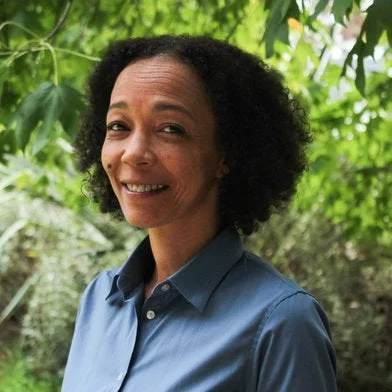
With a degree in quality management and sustainable development, Oumie has worked in financial management for NGOs and as an entrepreneur in the social economy. Her background combines management training, support for entrepreneurs and nonprofit work.

A chemist trained at Julius Nyéréré University in Kankan, Mohamed has experience in quality control in Conakry. A founding benefactor of fata, he built the MARI BRA DEV school, which contributed to the project’s early days in Guinea.
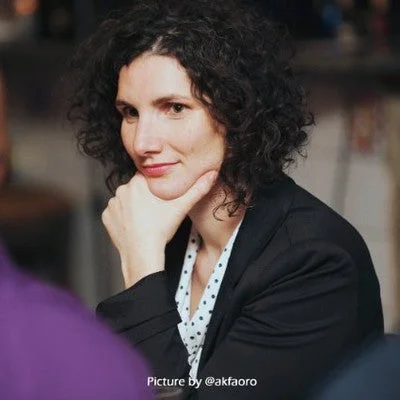
A graduate of Sciences Po Lyon, Élise worked with businesses at the Paris Chamber of Commerce and Industry, then in communications at Rogers in Canada. Fluent in French, English and Russian, she brings experience in communications, social media and project development to fata.
Our activities align with the United Nations Sustainable Development Goals.
By investing in vocational training in Africa’s growing software development sector.
By systematically ensuring gender parity among our learners and when recruiting our team.
By encouraging the creation of skilled jobs and businesses in countries where young people have limited opportunities in the digital economy.
By enabling young people to gain stronger skills recognised in Africa and internationally.
By promoting responsible digital businesses and raising awareness of sustainable development among all our learners.
We regularly publish articles to share the progress and impact of the fata project with our members and partners.
All actions